
How Daily Index Movements Shape Smart Investor Decisions
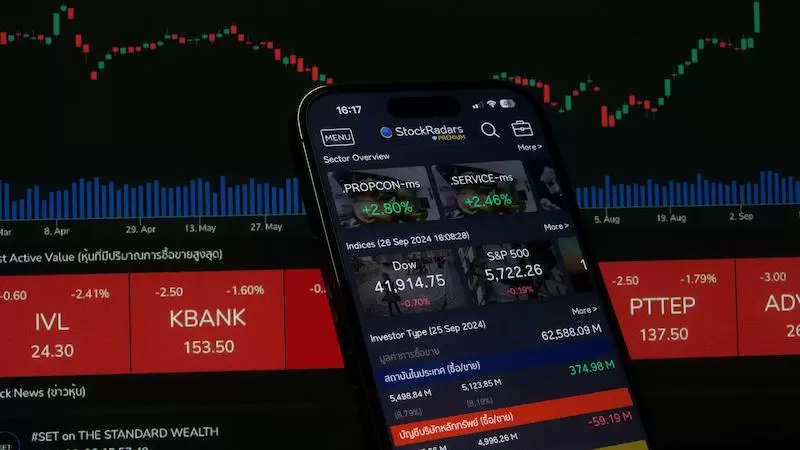
Every weekday morning, millions of investors across India open their phones to see what the market is doing. Many of them follow Sensex Today Live updates before they have finished their first cup of tea, because the opening mood often sets the tone for the whole trading day. Some seasoned participants also like to compare notes with other benchmarks, and a mention of the Dax in a financial discussion usually reminds them that markets everywhere are connected by the same human emotions of hope and caution. What matters is not the number itself but the way an investor interprets it and what they decide to do next.
The Number Is Only the Headline
A benchmark index summarises the performance of thirty-plus big and well-established companies. Its increase by several hundred points means that the general mood is positive, but it says nothing about your personal holdings. A holder of a moderately sized pharmaceutical firm can see their share price drop day after day while the headline index rises. This is why a prudent investor uses the index as a tool to understand the environment, not the personal position – it is like a weather forecast that describes the overall conditions while your home has its own microclimate
Separating Noise From Information
Not all movements are worth following. One per cent on a dull day can be the result of some institutional investors readjusting their portfolios. Information worth considering usually comes with a context, for instance, a new policy from the Reserve Bank, a tax reform, or a significant change in earnings. Asking yourself “what caused it” before “what does it mean” is an invaluable skill in the art of investing. If you fail to identify the reason, there is probably nothing worth doing
Matching Your Response To Your Time Horizon
A day trader and a retiree who wants to steadily add to their nest egg have little in common in their investment activities. While the former will be happy to scalp some profits from a short squeeze, the latter can happily buy more shares at a discounted price during a market downturn. A regular saver who carefully chooses a systematic investment plan can actually profit from most market movements as most of their transactions happen on a monthly basis. They simply do not have to react to a daily rise or fall. Before looking at a screen, it is always worth remembering the purpose of your journey and the time it takes to achieve your goal
Emotions Are The Hidden Variable
Greed and fear are the primary sources of pain for an investor. When a market rush begins and the index rises rapidly, people buy anything that goes up out of fear of missing out on profits. Later, after a sudden crash, the same people sell everything quickly in panic. A written investment plan with clearly stated rules on buying, selling, and rebalancing activities helps to avoid impulsive actions. It is usually much easier to follow a well-drafted document on a Friday night after a busy week than to make snap decisions during a stressful market situation
Building A Healthy Daily Routine
Your presence in the market is not essential at all times. Some investors review prices twice per day, once in the morning and once in the evening when the market is closed. The rest of the time is reserved for real life and non-financial activities. When you look at prices, analyse a sector that interests you or read news about a company you hold. Maintaining a personal log of decisions and reflections you make about the market is helpful as well. After a few months, you will look at old entries and realise that some patterns in your thinking have made you a better, more objective investor
Conclusion
Movements in a benchmark index are not as important as many beginner investors believe. Indexes act as a barometer that helps to identify market trends and macroeconomic forces better. However, an investor who wants to become consistently profitable will look at more factors than just the number. They analyse what caused these changes and how they can adjust their strategy to profit from them. The art of keeping a calm mind, asking the right questions, and regularly improving one’s skills allows to get more value from time spent in the market than outside it.